
Cybercab · 6 min read
Can you put PPF on a Tesla Cybercab? What Tesla’s rules say
Published November 15, 2026 · Updated November 15, 2026 · PaintProtectionFilm.org
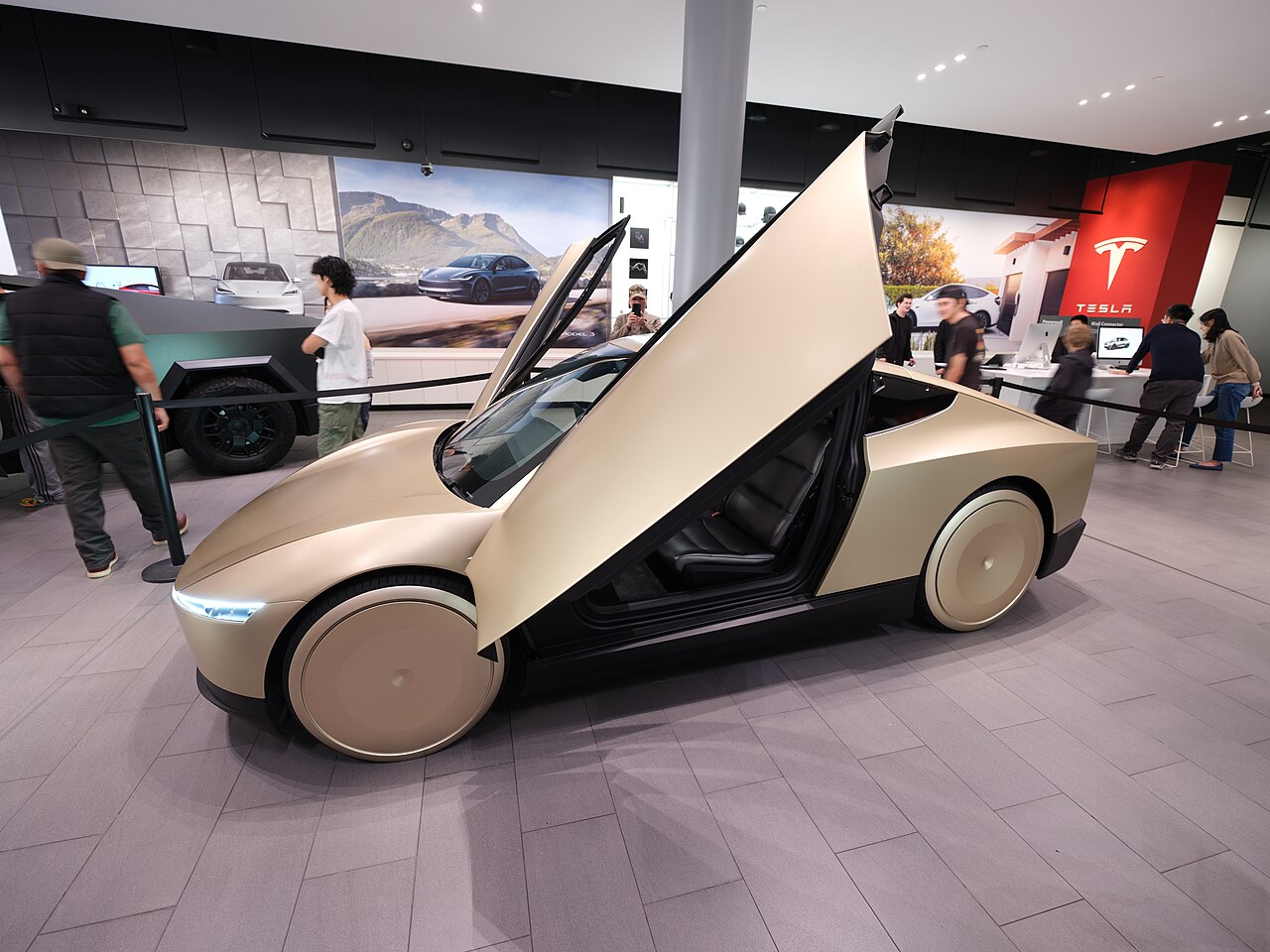
If you are searching for Tesla Cybercab paint protection film, the answer starts with permission. We have not confirmed a Cybercab-specific PPF service authorized by Tesla or a published exception for clear protective film.
That changes the conversation. Before comparing brands, colors or prices, an owner needs to know whether the proposed work has a permitted route.
The current rules leave room for authorized work. They do not establish that an ordinary appointment at a local PPF shop is available for Cybercab.
Research checked November 14, 2026.
What does Tesla’s agreement say?
Under Tesla’s Cybercab autonomy agreement, modifications, including wraps and tint, must go through Tesla or a Tesla-authorized provider, to the extent allowed by applicable law. A breach may lead to subscription suspension.
That last qualification is part of the agreement. This article describes the published condition; it does not decide how a court would apply it in a particular case.
The clause does not specifically name PPF, and it provides no express clear-film exception. We therefore cannot tell readers that clear PPF is automatically allowed. We also should not describe the wording as an explicit, permanent ban on every possible Cybercab PPF application.
The practical question is whether Tesla has authorized the particular work and provider. We have not established that answer for a Cybercab PPF installation.
Does clear film count differently from a color wrap?
An owner can reasonably see a difference between preserving a car’s appearance and changing it. Clear PPF is often considered precisely because the owner likes the original finish.
A protective purpose, however, does not establish permission under the published agreement. Neither does a film’s transparency or the possibility of removing it later.
The distinction matters because “it barely changes how the car looks” is an observation about appearance. “This installation is permitted” is a claim about the applicable requirements. Evidence for one does not supply the other.
A confirmed exception or a clearly authorized application could settle that question. Until then, a website, film retailer or installer should not create its own clear-PPF exemption by assuming that protective work is outside the rule.
PPF and vinyl are different products. Permission still comes first.
The materials are worth understanding, even while Cybercab eligibility remains unresolved.
Clear PPF is intended to add protection while keeping the underlying color visible. For example, 3M’s Pro Series 200 is designed to help resist rock chips, scratches and environmental exposure. It is offered in gloss and matte versions.
Colored protective film combines a visible color change with a protective-film purpose. 3M’s Protection Wrap Film is one manufacturer example of that category.
Vinyl wrapping film is commonly used for appearance changes. Avery Dennison’s Supreme Wrapping Film, for example, offers color and texture choices for vehicle personalization.
These distinctions explain why two products called a “wrap” may have different purposes. They do not turn a manufacturer’s product range into an approved Cybercab menu. There is no verified basis here for recommending a particular material, finish or coverage package for this vehicle.
What do the plastic panels tell us?
Tesla’s emergency response guide identifies plastic exterior panels, with glass-fiber reinforcement in some areas.
That is useful information about the car’s construction. It does not establish the chemistry of the outer finish, which adhesive is suitable or how film could be removed without affecting that finish.
The distinction is easy to miss. Film touches the outer surface, so knowing what is underneath does not answer every installation question. The 3M Protection Wrap Film bulletin, for example, specifies painted surfaces for that product. Its instructions are not a Cybercab compatibility statement.
Plastic panels therefore support neither a claim that the car needs PPF nor a claim that protection would be pointless. Both conclusions would require information about the actual finish, wear and repair options.
Why a film pattern or installer badge is not enough
A cutting pattern helps determine the shape of a piece of film. A film manufacturer’s installer certification identifies a relationship with that manufacturer. Neither, by itself, proves Tesla authorization for Cybercab work.
Technical suitability also remains a separate issue. 3M’s bulletin calls for compatibility validation around sensing equipment and advises against covering it.
Those instructions help explain why a complete application needs more evidence than a photograph of a neatly wrapped car. They do not establish Tesla’s motivation for its contractual restriction, and we should not present them as if Tesla had given that explanation.
For readers, the distinction is practical: expertise with film is valuable, while vehicle-specific permission still needs its own support.
Tesla already has a PPF program. Does that include Cybercab?
Tesla’s official XPEL PPF page describes a program using participating certified XPEL installers. It directs customers to XPEL for purchasing and installation arrangements.
That is a real example of Tesla working with an outside film network. It is relevant to the broader question of how authorized film work can reach local businesses.
The retrieved Tesla page and its linked XPEL program page do not identify Cybercab eligibility. Their existence is therefore insufficient to announce a Cybercab offer or describe every certified XPEL installer as a Tesla-authorized Cybercab provider.
A general Tesla PPF listing and a specific Cybercab permission are different pieces of evidence. We have confirmed the first, not the second.
What about the cost?
We do not have a verified, authorized Cybercab PPF installation price to publish.
A quote for a Model Y, a Cybertruck or a conventional car would not establish what Cybercab work costs or whether it can be offered. A meaningful price would need to refer to an actual permitted service, with the material and work clearly defined.
Claims about future savings would require even more evidence. We would need to know the wear that occurs, what repairs cost and whether an owner would choose to make those repairs. There is no support here for promising that PPF would pay for itself on Cybercab.
For the same reason, choosing between partial and full-body packages is premature in this article. The missing information concerns the service itself, before its price or extent.
What would change the answer?
A Cybercab-specific statement identifying permitted film work and eligible providers would move the discussion forward. Manufacturer confirmation for the actual surface, followed by documented authorized installations, would add the technical evidence.
That would allow useful reporting about what is offered, how it looks and how it performs. Until then, protecting the original finish remains an understandable owner goal, with an unresolved route to doing the work.
For the businesses watching this develop, the question is just as significant. Our analysis of what Cybercab’s rules could mean for PPF and wrap shops explores how access to authorized work could shape the market if vehicles like this become more common.
More Cybercab protection guides
Independent source-linked reporting, not a verified installation or Tesla authorization. About this resource.